Collagen Blog
The Link Between Collagen and Anti-Aging Skincare

Aging is a natural process, but many of us aim to maintain youthful, radiant skin as we grow older. One of the most powerful tools in the battle against visible aging is collagen—a structural protein that plays a crucial role in keeping skin firm, smooth, and elastic. But as we age, our natural collagen production decreases, leading to wrinkles, sagging, and dullness. This post delves into the connection between collagen and anti-aging skincare, exploring how collagen works, its benefits, and ways to incorporate it into your routine.
What is Collagen, and Why Does It Matter for Skin?
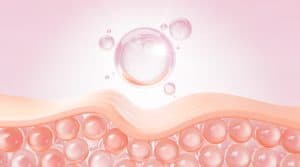
Collagen is the most abundant protein in the body, found in skin, bones, muscles, and connective tissues. In the skin, collagen provides structural support, contributing to firmness and elasticity. It works alongside elastin (for stretch) and hyaluronic acid (for hydration) to maintain a youthful appearance.
However, starting in our mid-20s, collagen production declines by about 1% per year. Factors like UV exposure, smoking, and pollution can accelerate this process. The result? Wrinkles, fine lines, and sagging skin.
How Collagen Impacts Aging Skin
-
Skin Firmness
- Collagen acts like scaffolding for the skin, holding it up and keeping it firm. Loss of collagen leads to sagging and loss of definition, particularly around the jawline and cheeks.
-
Wrinkle Formation
- As collagen decreases, skin loses its ability to “bounce back,” making wrinkles and fine lines more visible.
-
Skin Hydration
- Collagen helps retain moisture by supporting the skin’s natural barrier. Decreased levels can lead to dryness and dullness.
-
Wound Healing
- Collagen is essential for repairing skin damage, including scars and blemishes. Reduced collagen can slow this healing process, leaving skin prone to imperfections.
Can Collagen Help Reverse Signs of Aging?
While collagen loss is inevitable, the good news is that you can replenish and support collagen levels to reduce visible signs of aging. Here’s how collagen contributes to anti-aging skincare:
-
Smooths Wrinkles and Fine Lines
- Studies show that collagen supplementation can improve skin elasticity and reduce wrinkle depth, giving the skin a smoother appearance.
-
Improves Skin Hydration
- Collagen peptides attract moisture to the skin, enhancing hydration and reducing dryness.
-
Enhances Skin Texture
- By supporting the skin’s structure, collagen helps improve overall texture and firmness.
-
Promotes a Radiant Glow
- With consistent collagen use, skin appears healthier and more youthful.
How to Boost Collagen for Anti-Aging Benefits
-
Incorporate Collagen Supplements
- Hydrolyzed Collagen Peptides: These are broken down for easier absorption by the body and can help stimulate natural collagen production.
- Marine Collagen: Derived from fish, this type of collagen is particularly effective for skin health.
-
Adopt a Collagen-Friendly Diet
- Collagen-Rich Foods: Bone broth, chicken skin, and fish skin naturally contain collagen.
- Collagen-Boosting Nutrients: Foods rich in vitamin C (citrus fruits, berries), zinc (nuts, seeds), and amino acids (eggs, legumes) help support collagen synthesis.
-
Use Collagen-Enhancing Skincare Products
- Topical Retinoids: Stimulate collagen production by encouraging cell turnover.
- Vitamin C Serums: Boost collagen production while protecting against free radical damage.
- Peptides in Skincare: Signal the skin to produce more collagen naturally.
-
Protect Your Skin from Collagen Damage
- Wear Sunscreen: UV rays break down collagen, so daily SPF use is crucial.
- Avoid Smoking: Smoking accelerates collagen loss by introducing free radicals that damage skin structures.
- Minimize Sugar Intake: Excess sugar can cause glycation, which weakens collagen fibers.
-
Consider Professional Treatments
- Microneedling: Stimulates collagen production by creating micro-injuries in the skin.
- Laser Therapy: Promotes collagen remodeling and improves skin texture.
- Chemical Peels: Encourage the production of new collagen by removing damaged outer layers of skin.
How Long Does It Take to See Results?
Collagen treatments and supplements require consistency. While some topical products may offer short-term benefits like hydration, it usually takes 8–12 weeks to see noticeable improvements in skin elasticity, wrinkle depth, and overall glow from collagen supplements or professional treatments.
Myths About Collagen in Skincare
-
“Topical Collagen Works Like Magic”
- Collagen molecules in creams are often too large to penetrate the skin. Instead, look for products with collagen-boosting ingredients like peptides or retinoids.
-
“Only Older People Need Collagen”
- Collagen production starts declining in your 20s, so it’s never too early to incorporate it into your skincare or diet.
-
“Collagen Supplements Don’t Work”
- High-quality supplements have been backed by scientific research to improve skin elasticity and hydration when taken regularly.
Final Thoughts
Collagen plays a central role in anti-aging skincare by supporting skin structure, hydration, and overall health. While the natural decline in collagen is unavoidable, there are plenty of ways to slow the process and even replenish collagen levels through supplements, diet, and skincare products.
By incorporating collagen into your daily routine and protecting your skin from external damage, you can maintain a youthful, radiant complexion for years to come. Embrace the science of collagen as your ally in graceful aging!
Products


Collagen


Collagen


Collagen Benefits