Collagen Blog
How Collagen Affects Cellulite: Myth or Miracle?

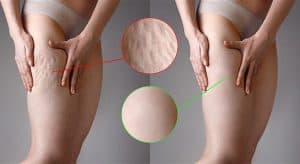
Cellulite is a common skin concern that affects up to 90% of women at some point in their lives. It’s often described as a dimpled or lumpy appearance on the thighs, buttocks, or abdomen—and while it’s perfectly natural and not harmful, many people seek ways to reduce its appearance. One trending solution? Collagen.
With the rise of collagen supplements, the question arises: Can collagen really help with cellulite, or is it just another beauty myth? Let’s dive into the science behind collagen and how it may affect the look and feel of cellulite.
What Is Cellulite, Really?
Cellulite occurs when fat deposits push through the connective tissue (primarily collagen) beneath the skin, creating a bumpy or uneven surface. While cellulite is more common in women due to differences in fat distribution, muscle, and connective tissue structure, men can experience it too.
Factors that contribute to cellulite include:
-
Genetics
-
Hormonal changes (especially estrogen)
-
Dehydration
-
Poor circulation
-
Loss of skin elasticity
-
Aging and decreased collagen production
Collagen’s Role in Skin Structure
Collagen is the main structural protein in the skin, helping to keep it firm, elastic, and smooth. It forms part of the connective tissue that holds everything together—including fat cells. As we age, our collagen production naturally declines, which can weaken the skin’s support structure and make cellulite appear more prominent.
By supporting and restoring collagen in the skin’s deeper layers, it may be possible to improve the appearance of cellulite over time.
What Does the Research Say?
🔬 Clinical Evidence
A 2015 double-blind, placebo-controlled study published in the Journal of Medicinal Food examined the effects of collagen peptides on cellulite in women.
-
Participants: 105 women aged 24–50 with moderate cellulite.
-
Intervention: 2.5 g of bioactive collagen peptides daily for 6 months.
-
Results: A significant reduction in skin waviness and an improvement in skin density and elasticity—especially in women with a normal BMI.
Conclusion: Collagen supplementation may improve skin texture and reduce the appearance of cellulite with consistent use over time.
How Collagen Helps Combat Cellulite
✅ Improves Skin Elasticity
Collagen helps rebuild the dermis (the middle layer of skin), making it more resilient and firm—reducing the ability of fat to protrude through.
✅ Boosts Skin Hydration
Collagen peptides may enhance skin moisture levels, giving the skin a smoother, plumper appearance.
✅ Strengthens Connective Tissue
By reinforcing the structure of connective tissue, collagen can help keep fat cells contained and reduce the uneven texture associated with cellulite.
✅ Supports Circulation and Detoxification
Improved collagen synthesis may promote better blood flow to skin cells, aiding in nutrient delivery and waste removal—both essential for healthy skin tone.
How to Use Collagen for Cellulite
If you’re curious to try collagen as part of your anti-cellulite strategy, here are some tips:
🥤 Supplement Daily
Look for hydrolyzed collagen peptides (also known as collagen hydrolysate) from high-quality sources like bovine, marine, or chicken collagen. A typical effective dose is 2.5 to 10 grams per day.
🍊 Pair with Vitamin C
Vitamin C is essential for collagen synthesis. Include foods like oranges, berries, and leafy greens—or take a supplement to maximize results.
💪 Exercise Regularly
Strength training and cardio improve muscle tone, reduce fat, and enhance circulation—all of which support collagen’s cellulite-fighting power.
💧 Stay Hydrated
Water supports collagen structure and skin elasticity, helping to maintain smoother-looking skin.
🧴 Try Topical Products
While oral collagen works from the inside, some creams with peptides, caffeine, or retinol may help improve surface texture short-term.
Realistic Expectations
While collagen isn’t a miracle cure, it is a scientifically supported way to improve overall skin health and reduce the visibility of cellulite over time. Consistency is key—results may take several months of daily supplementation and healthy lifestyle habits.
Final Thoughts
So, is collagen for cellulite a myth or a miracle? The truth lies somewhere in between. While it won’t eliminate cellulite completely, collagen can be a powerful part of your long-term skincare and wellness strategy—especially when combined with good hydration, exercise, and nutrition.
If smoother, firmer skin is your goal, adding collagen to your routine might just give your body the support it needs—one scoop at a time.
Products


Collagen


Collagen


Collagen Benefits