Collagen Blog
Collagen for Pregnant and Breastfeeding Women: Is It Safe?

Pregnancy and postpartum are transformative seasons in a woman’s life. Your body goes through immense physical and hormonal changes to grow and nourish your baby. Naturally, nutrition becomes a top priority — and if you’re already taking or considering collagen supplements, you might be wondering: Is collagen safe during pregnancy and breastfeeding?
In this post, we’ll break down what collagen is, explore its potential benefits for pregnant and nursing women, and what you need to know about its safety.
What Is Collagen, and Why Does It Matter During Pregnancy?
Collagen is the most abundant protein in the human body. It’s a major component of your skin, joints, bones, tendons, ligaments, and connective tissue — and it plays a critical role in maintaining strength, flexibility, and elasticity.
During pregnancy, collagen is especially important because:
-
Your skin stretches rapidly to accommodate a growing belly
-
Your joints and ligaments loosen to prepare for childbirth
-
Your hair and nails may weaken due to hormonal shifts
-
Your bones and muscles bear more weight and stress
Collagen can offer supportive benefits in all of these areas — but is it safe?
Is Collagen Safe During Pregnancy?
✅ Generally Considered Safe — But Check the Label
Most high-quality hydrolyzed collagen peptides (also known as collagen hydrolysate) are considered safe for healthy pregnant women. They’re typically free from harmful additives and allergens, and they’re broken down into easily digestible amino acids.
However, not all collagen products are created equal. Some may include added ingredients such as:
-
Caffeine
-
Herbs not tested for pregnancy
-
Artificial sweeteners or flavors
-
High doses of vitamin A, which should be monitored during pregnancy
Always consult with your healthcare provider or OB-GYN before starting any supplement, including collagen. They can help ensure it aligns with your individual health needs and pregnancy plan.
Potential Benefits of Collagen During Pregnancy
1. Supports Skin Elasticity and May Reduce Stretch Marks
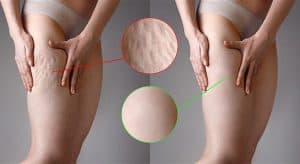
While there’s no guaranteed way to prevent stretch marks, collagen can support skin elasticity and hydration, which may help reduce their severity.
2. Strengthens Joints and Reduces Pregnancy-Related Aches
As your body produces more of the hormone relaxin, joints become looser — often leading to back pain, hip discomfort, or knee strain. Collagen may help strengthen ligaments and tendons to better support your growing body.
3. Promotes Stronger Hair and Nails
Many women experience hair thinning or brittle nails during and after pregnancy due to hormonal fluctuations and nutrient depletion. Collagen provides the amino acids (especially glycine and proline) that your body uses to build keratin.
4. May Aid in Sleep and Gut Health
The amino acid glycine, abundant in collagen, has been shown to promote deeper sleep and support gut lining integrity — both of which can be disrupted during pregnancy.
Is Collagen Safe While Breastfeeding?
Yes, collagen is generally considered safe while breastfeeding, especially when it’s a clean, single-ingredient supplement. In fact, continuing collagen postpartum may offer benefits such as:
-
Supporting skin repair (especially from C-sections or tears)
-
Helping hair regrowth postpartum
-
Promoting joint recovery and tissue healing
-
Replenishing nutrient stores lost during childbirth
Again, as with pregnancy, always check with your doctor to confirm it’s appropriate for you based on your medical history and other supplements or medications you may be taking.
Tips for Choosing the Right Collagen Supplement
When shopping for collagen during pregnancy or nursing, consider these criteria:
✅ Look for “hydrolyzed collagen peptides” — the most digestible form
✅ Choose unflavored or naturally flavored options — avoid artificial additives
✅ Check for third-party testing — ensures purity and safety
✅ Opt for marine or grass-fed bovine collagen — high-quality sources
✅ Avoid collagen blends with herbs or unknown additives unless cleared by your provider
Natural Ways to Support Collagen in Pregnancy
If you’re not comfortable taking supplements or want to complement them, you can also increase your intake of collagen-boosting foods:
🥩 Bone broth
🍳 Eggs (especially whites)
🐟 Wild-caught salmon and sardines
🍓 Berries and citrus (rich in vitamin C for collagen synthesis)
🥦 Leafy greens
🍠 Sweet potatoes (vitamin A for skin health)
Are There Any Risks or Side Effects?
Collagen is generally well tolerated, but in some cases, it may cause:
-
Mild digestive issues (bloating, gas)
-
Allergic reactions if sourced from fish, shellfish, or eggs
-
Unpleasant taste or texture for some users
If you experience discomfort, try switching brands or forms (powder, capsule, or liquid). Most importantly, consult your doctor if you’re unsure.
Final Thoughts: Safe and Supportive, When Used Wisely
Collagen supplements can be a safe and effective way for pregnant and breastfeeding women to support skin, joint, and overall body health during a time of intense change. But as with any supplement, quality and professional guidance are key.
When in doubt, bring the label to your OB-GYN or midwife, and opt for simple, clean formulas you can trust.
Products


Collagen


Collagen


Collagen Benefits