Collagen Blog
Vegan Alternatives to Collagen: Can Plant-Based Options Deliver Similar Benefits?
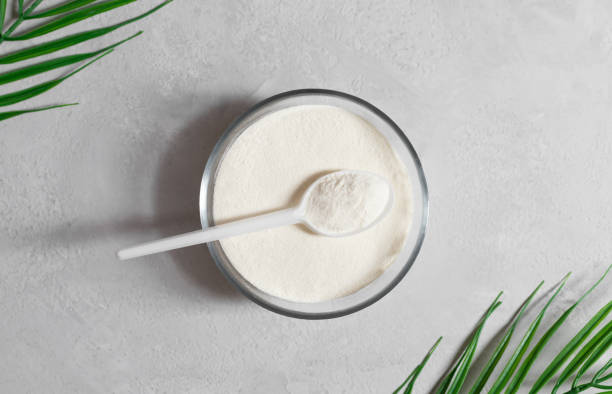
Collagen has become a buzzword in the wellness and beauty industries, celebrated for its ability to support skin elasticity, strengthen joints, and promote overall health. However, traditional collagen is animal-derived, leaving vegans and plant-based individuals searching for alternative solutions.
So, can plant-based options provide the same benefits as collagen? Let’s explore the science behind vegan alternatives and how they compare to their animal-derived counterpart.
What Is Collagen and Why Do We Need It?
Collagen is a structural protein found in animals, including humans, that makes up the skin, bones, cartilage, and connective tissue. It provides strength and elasticity, playing a critical role in maintaining youthful skin and healthy joints.
However, collagen is not naturally present in plants, leading to the creation of vegan alternatives that aim to mimic its effects.
How Do Vegan Alternatives Work?
Rather than providing collagen directly, vegan alternatives work by supporting the body’s natural collagen production. They contain plant-based nutrients and compounds that stimulate fibroblasts (the cells responsible for collagen synthesis).
Key components of vegan collagen boosters include:
- Amino Acids: Building blocks of proteins like glycine, proline, and hydroxyproline, found in foods such as legumes, seeds, and nuts.
- Vitamin C: Essential for collagen synthesis, abundant in citrus fruits, berries, and bell peppers.
- Zinc: Supports enzyme activity in collagen production; found in seeds, nuts, and whole grains.
- Copper: Helps form collagen cross-links, giving it strength; found in lentils, leafy greens, and nuts.
Popular Vegan Collagen Alternatives
1. Silica-Rich Foods and Supplements
Silica, found in bamboo extract and foods like oats and bananas, helps strengthen skin and connective tissues by supporting collagen synthesis.
2. Algae-Based Products
Marine algae, such as spirulina, are rich in amino acids and antioxidants that protect collagen and encourage production.
3. Hyaluronic Acid from Fermentation
Vegan hyaluronic acid, derived from microbial fermentation, supports skin hydration and elasticity, complementing collagen synthesis.
4. Plant-Based Collagen Powders
These blends often combine ingredients like vitamin C, silica, amino acids, and antioxidants to boost natural collagen production.
5. Antioxidant-Rich Foods
Free radicals damage existing collagen, so antioxidants in foods like dark chocolate, green tea, and colorful vegetables protect and enhance its longevity.
Benefits of Vegan Collagen Alternatives
-
Skin Health
Vegan alternatives may help improve skin hydration, elasticity, and resilience by providing the nutrients needed for collagen production. -
Joint Support
Compounds like hyaluronic acid and silica strengthen connective tissues, potentially reducing joint discomfort and stiffness. -
Sustainability
Plant-based options are environmentally friendly, avoiding the resource-heavy production of animal-derived collagen. -
Allergen-Friendly
For those sensitive to animal products, vegan collagen alternatives offer a safe and inclusive option.
Do Vegan Alternatives Deliver Similar Results?
While vegan alternatives can support collagen production, they do not replace collagen itself. Traditional collagen supplements deliver hydrolyzed collagen peptides directly to the body, which may result in faster, more noticeable benefits.
However, studies on vegan ingredients like vitamin C, silica, and hyaluronic acid demonstrate their efficacy in promoting skin and joint health, making them viable options for plant-based individuals.
Top Vegan Foods to Support Collagen Production
Incorporate these plant-based foods into your diet to enhance natural collagen production:
- Citrus Fruits: High in vitamin C.
- Leafy Greens: Contain chlorophyll, which boosts collagen precursors.
- Berries: Rich in antioxidants and vitamin C.
- Nuts and Seeds: Provide zinc, copper, and amino acids.
- Tomatoes and Bell Peppers: Contain lycopene, an antioxidant that protects collagen.
- Whole Grains: Rich in zinc and silica.
DIY Vegan Collagen-Boosting Recipes
1. Collagen-Boost Smoothie
- 1 cup spinach
- 1 orange (peeled)
- 1/2 cup berries
- 1 tbsp chia seeds
- 1 tsp spirulina powder
- Blend with water or almond milk for a nutrient-packed boost.
2. Silica-Rich Overnight Oats
- 1/2 cup oats
- 1 tbsp ground flaxseeds
- 1/2 banana (mashed)
- 1 cup almond milk
- Top with fresh berries and nuts for extra nutrients.
Key Considerations
- Consistency is Key: Vegan alternatives may take longer to show results, as they rely on supporting the body’s natural processes.
- Supplement Wisely: Choose high-quality, third-party-tested products to ensure efficacy and safety.
- Holistic Approach: Combine a nutrient-rich diet with skincare practices, hydration, and sun protection for optimal results.
Final Thoughts
While vegan alternatives to collagen don’t replicate it exactly, they can effectively support your body’s natural production and provide similar benefits over time. With a combination of nutrient-dense foods, targeted supplements, and a balanced lifestyle, plant-based individuals can enjoy healthier skin, stronger joints, and improved overall well-being—all without compromising their values.
Products


Collagen


Collagen


Collagen Benefits